

How to Shoot Your Shot on Twitter (X): The 2026 Playbook
Whether you're pitching a job, an idea, or an ask-for-coffee, the mechanics of a good X DM are the same. Warm the connection first, be specific, keep it short, and know when to let it go.
Bottom line
To shoot your shot on Twitter (X) in 2026: warm the connection with 2–3 real replies to their public posts over a week, then send a short DM that names one specific thing you like about their work and one specific ask. Keep it under 4 sentences. If they don't reply within a week, drop it.
Table of Contents
What 'shoot your shot' actually means on X
"Shoot your shot" on X covers any high-stakes cold reach-out — asking someone influential for a job, feedback on your project, a date, a podcast slot, or just their attention. It's high-risk, high-reward. Done well, it opens doors that no application form ever will. Done badly, it makes you look like every other person hitting their DMs today.
The core insight of 2026-era X DMs: the DM is not the shot — the warmup is. If you've never interacted with someone's public posts, your DM is arriving cold to a full inbox and will lose. The people who succeed at this build a tiny bit of familiarity first, so when the DM arrives, it doesn't feel like it came from a stranger.
Step 1 — Warm the connection (7 days)
For one week before you DM, do three things in public:
- Reply to 2 or 3 of their posts. Not with "This!!" — with a specific take that shows you actually read the post. One paragraph max.
- Quote-post one of their posts with your own honest reaction. Not to boost them for its own sake, but because you have something to add.
- Like a few of their older posts. This is the lightest possible signal but it shows up in their notifications.
By the end of that week, your @handle has appeared in their notifications 4–6 times, in ways that were useful to them. When your DM arrives, they'll recognize the name.
Skip this step at your peril. It's the difference between a 60% reply rate and a 5% reply rate. If this feels like too much work, you don't actually want this shot badly enough.
Step 2 — Write the DM (4 sentences max)
A good X DM has four parts, each one sentence:
- The specific compliment. Not "big fan of your work" — name the actual post, thread, project, or idea. Proves you've paid attention. Pro move: keep a folder of screenshots (or a small MP4 archive from the bulk downloader) of the exact posts that made you want to reach out — you'll cite them accurately months later.
- The one-line context. Who you are, in the frame that's relevant to them. Not your résumé.
- The specific ask. "Would you be open to a 20-minute call about <topic>?" or "Would you take a look at <link>?" — never open-ended.
- The graceful exit. "Totally understand if not — either way, thanks for the <post/project>."
Four sentences. Total. If you can't do it in four, cut until you can. Long DMs get skimmed and forgotten; short DMs get read and answered.
Step 3 — Hit send and let it breathe
After you send, do nothing. Don't check the DM every hour. Don't send a follow-up "just bumping this" the next day. Don't like their next 20 posts.
Give it a full week. Most people who reply do so within 3 days; a decent fraction reply on day 5–7 when they're clearing their inbox on a Sunday. After 7 days of silence, you have your answer: it's a no, or it's a "not right now."
You can send exactly one follow-up, one week later, if the ask was time-sensitive. Any more than that and you become that person.
The things that kill a shot
Ways people torpedo an otherwise-fine DM:
- Opening with "Hey" and waiting for a reply. This is a "no" signal by default. Say your whole thing in the first message.
- Voice notes. Never. Not for a first message.
- Attaching a giant deck or PDF. Send one link, max, and only if it's directly relevant to the ask. If the "proof of work" you want to share is a video, host it publicly and link the post rather than attaching — or save the tweet locally first with our Tweet Viewer so you can share a clean MP4.
- Fake urgency. "Would love to chat before Friday" when there's no real deadline. People can smell it and it repels them.
- Following up 4 times. One follow-up. That's the entire budget.
- Cross-posting on LinkedIn / Instagram / email. Choose one channel per person. Being visible in three channels reads as desperation.
Also: don't shoot your shot from an egg-avatar account with 12 followers. Take 30 minutes to make the profile look like a real human first, or see the beginner guide for the basics. If your reach has cratered lately, cross-check the shadowban tests before you spend social capital on a DM — a filtered profile makes even a perfect DM feel weirdly ignored.
If they say yes
If you get a reply, respond within 24 hours. Don't try to negotiate for more than you asked for. If you asked for 20 minutes and they say yes to 20 minutes, take 20 minutes — being on-time and on-scope is how you get invited back.
After the call, DM a short thank-you the same day. A week later, send an unprompted update: what you did with their advice, or a small win you had. This turns a one-shot exchange into a relationship. That's the real long-term payoff of shooting shots on X.
If they say no (or nothing)
Silence is the most common outcome — usually 60–80% of shots. That's not personal. Most inboxes are triaged by mood, timing, and how many other things need attention that hour.
Let it go completely. Don't subtweet them. Don't complain in a group chat. Don't post "some people are too important to reply." All of those are visible and will damage your future shots.
Instead: line up the next shot. Follow more interesting people, warm those connections, and try again. Ten thoughtful shots per year, spread out, land more career-changing meetings than one hundred cold pitches on LinkedIn ever will.
Frequently asked questions
Is it OK to DM someone I've never interacted with?
You can, but your reply rate will be very low. The fix is to spend a week replying to their public posts and quoting one before you DM. That single change often takes reply rates from ~5% to ~50%.
How long should my first DM be?
Four sentences maximum: specific compliment, one-line context, specific ask, graceful exit. Anything longer gets skimmed or ignored.
Should I follow up if they don't reply?
One follow-up, one week later, only if the ask was time-sensitive. Never send a second follow-up — that's how you end up on people's block lists.
Can I shoot my shot in a public reply instead of a DM?
For low-stakes asks (feedback on a tweet, a book recommendation), a public reply often works better because it's visible to their audience. For high-stakes asks (job, collaboration, date), a DM is more appropriate.
Does the blue checkmark help?
Slightly — Premium accounts get their DMs prioritized in the recipient's inbox. But a well-warmed, well-written DM from a non-Premium account beats a cold DM from a Premium one every time.
What if their DMs are closed?
That's their answer for now. Do not @-mention them in a public post as a workaround. Warm the connection more and check again in a few months — many people open their DMs after they've seen your name enough.
Sources & further reading
- X Help Center — About Direct Messages
- X Business — Best practices for outreach
- Harvard Business Review — The Science of Networking
- First Round Review — How to Cold Email — Cold-email principles that transfer directly to X DMs.
- Pew Research — Social media and networking behavior
Related reading
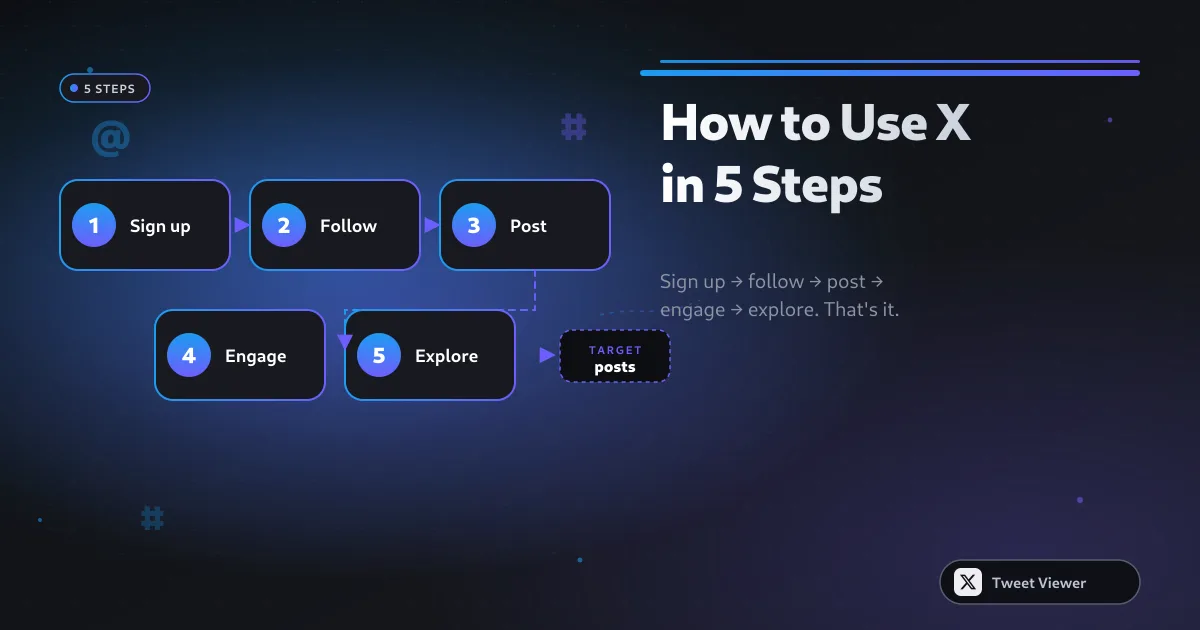
How to Use Twitter (X) in 2026: Beginner-to-Power Guide
A calm, structured guide to using X in 2026 — how to sign up, curate a good feed, post without cringing, and eventually run circles around most 2010-era Twitter accounts.
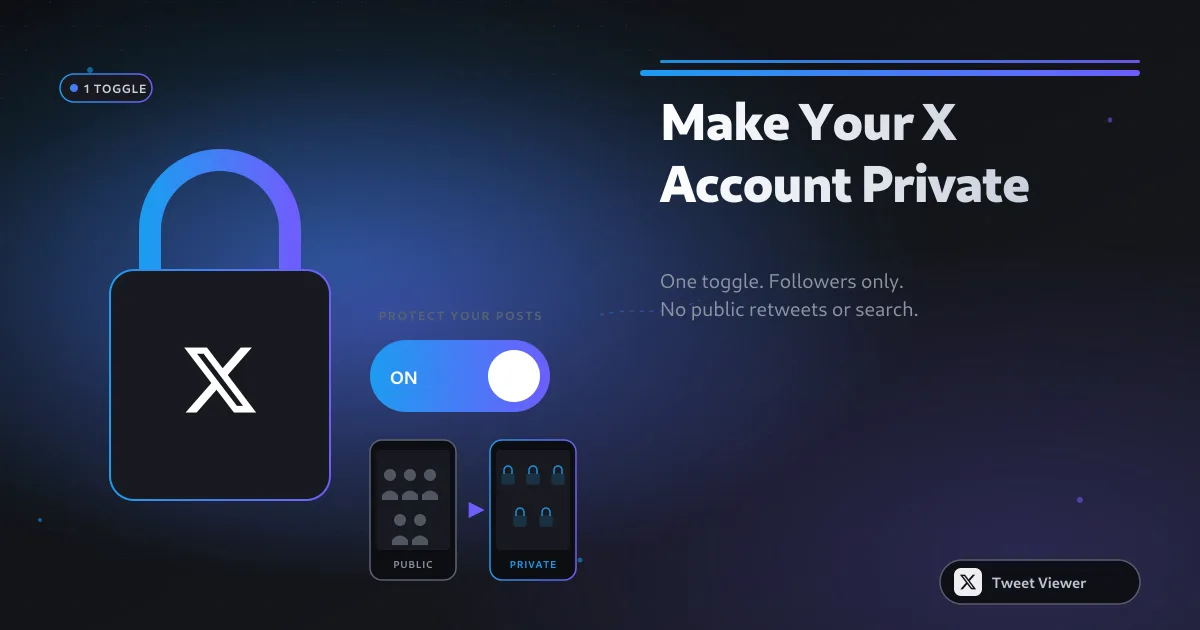
How to Make Your Twitter (X) Account Private: Step-by-Step
Making your X account private (X calls it 'Protect your posts') restricts who can see, reply to, and share your posts. Here's exactly how to flip the switch and what changes after you do.
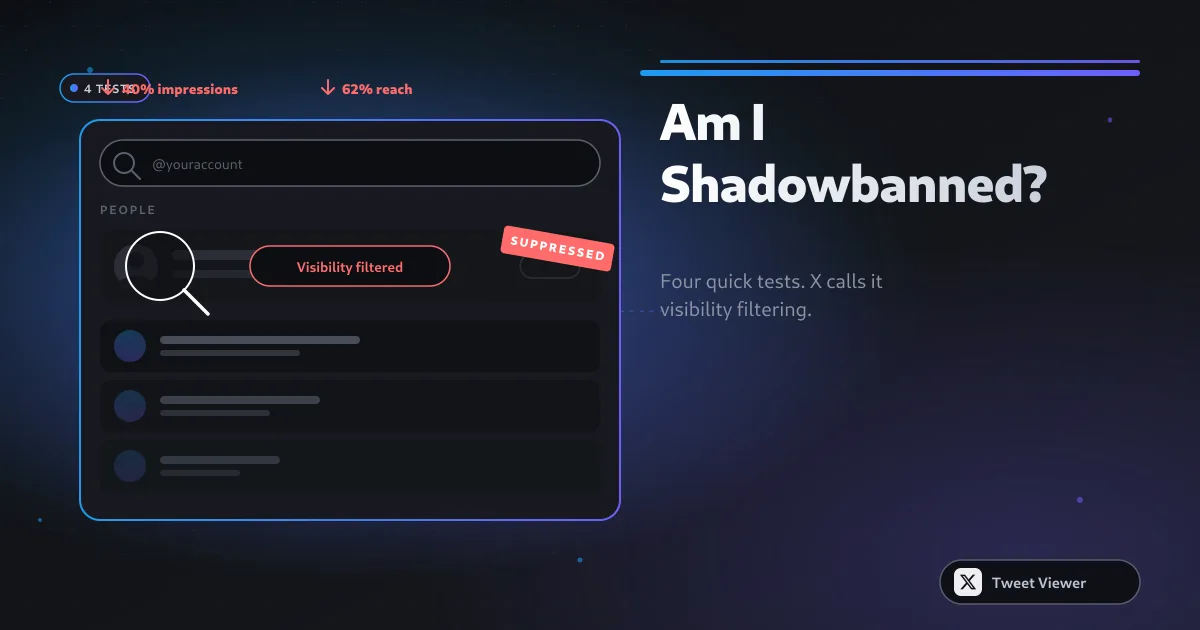
Am I Shadowbanned on Twitter (X)? How to Check + Fix
'Shadowban' is informal — X calls it visibility filtering. Here's how to test whether your reach has been reduced, distinguish it from a normal engagement dip, and what to actually do about it.
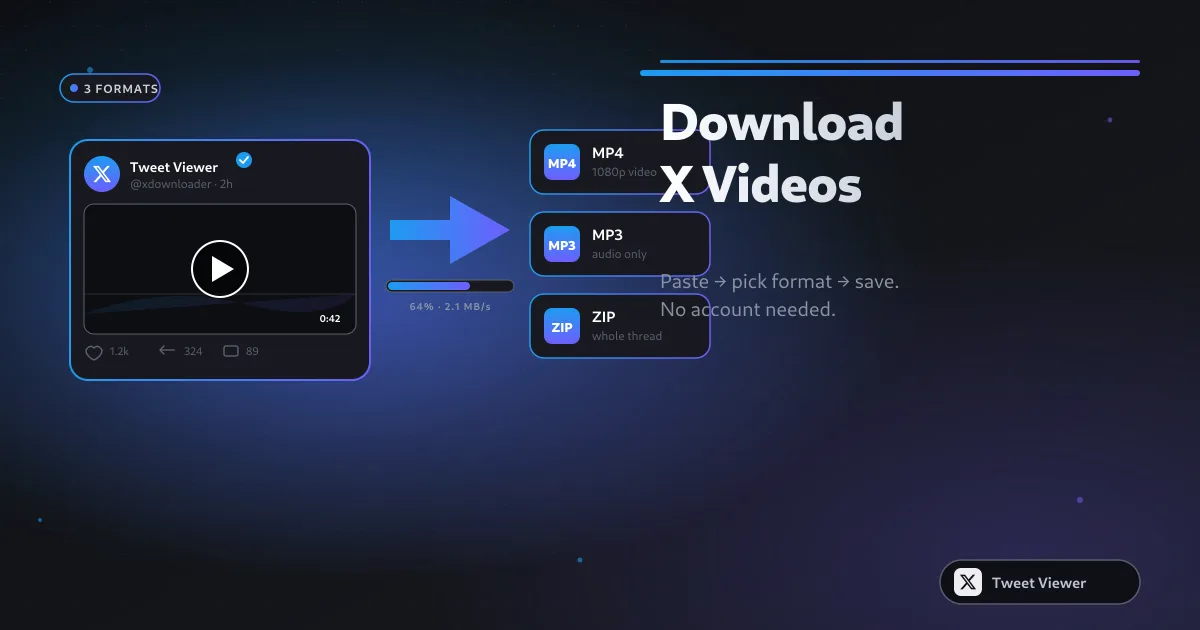
How to Download Twitter (X) Videos: 5 Methods for 2026
Five real methods to save X (Twitter) videos — from a paste-and-save browser tool to screen recording as the last resort. Comparison table, quality trade-offs, and legal notes for 2026.