
Am I Shadowbanned on Twitter (X)? How to Check and How to Fix It
'Shadowban' is informal — X calls it visibility filtering. Here's how to test whether your reach has been reduced, distinguish it from a normal engagement dip, and what to actually do about it.
Bottom line
'Shadowban' is an informal term. X officially calls the mechanism 'visibility filtering.' To check, run four tests: search your @handle while logged out, check whether replies you leave under big posts appear ranked or hidden, watch for a sudden 60%+ impression drop in Analytics, and cross-check with the third-party shadowban.eu tester. Fix by pausing 24–48 hours, deleting flagged posts, and easing off aggressive replying.
Table of Contents
What 'shadowban' means on X in 2026
"Shadowban" is a user-community term for what X's own documentation calls visibility filtering. It's not a full ban — you can still log in, post, and DM — but the platform reduces where your content shows up. In practice this can look like:
- Your replies are collapsed under "Show additional replies, including those that may contain offensive content."
- Your account doesn't autocomplete in the search box for people who don't already follow you.
- Your posts don't appear in the For You feed of non-followers.
- Your impressions drop 50–90% overnight with no change in what you're posting.
Musk publicly acknowledged the mechanism in a 2022 post, saying: "New Twitter policy is freedom of speech, but not freedom of reach." That's the official framing. It exists because platforms don't want to fully ban borderline content, but also don't want to boost it.
The 4 tests that actually work
Run all four before you conclude you're filtered. Any one alone can be a false positive.
- Logged-out search test. Open x.com in a private/incognito window. Search your
@handle. If your profile doesn't appear in "People" — or requires scrolling past unrelated accounts — that's a strong signal. - Search-suggest test. Also logged out, start typing your handle character by character. A healthy account autocompletes after 3–5 characters. A filtered one won't appear at all.
- Reply-visibility test. Reply to a big account's recent post. From a separate account (or logged out), open that post. If your reply is under "Show more replies" instead of the main thread, you're likely reply-filtered.
- Analytics drop test. Open your Analytics dashboard and look at the last 30 days. A steep drop (60%+ in 1–2 days) with no change in your posting habits or a known outage is the clearest evidence. Screenshot the graph for your records with our screenshot downloader — filtered users often see the dashboard "correct itself" after they complain, so a dated capture matters.
Third-party sites like shadowban.eu automate versions of these tests but sometimes lag X's changes. Treat them as a second opinion, not gospel.
Why X applies visibility filtering
The most common triggers in 2026, from most to least clear-cut:
- Content policy hits. Posts flagged as hateful, adult, or misleading are downranked for non-followers. Repeated hits stack.
- Follow/unfollow behavior. Following 100+ accounts in a day and unfollowing them the next week reads as spammy and can drop reach.
- Reply patterns. Replying with the same generic phrase to dozens of posts (the classic "growth hack") is treated as spam.
- Link posting frequency. Bare-link posts (especially to the same domain) get downranked. X wants users to stay on X. If you have to share a video hosted elsewhere, upload it natively — or run the source clip through our HD video downloader and re-upload to X directly, which avoids the bare-link penalty entirely.
- Reports from other users. Sustained blocking or reporting by other accounts can trigger a temporary reach reduction while it's reviewed.
- Age of the account. Brand-new accounts (under ~14 days) have limited reach by default. That's not a shadowban, it's onboarding friction.
None of these are officially disclosed as rules — X keeps the mechanism opaque on purpose. Treat this list as pattern-matching from thousands of case reports.
The false positives to rule out first
Before you conclude you're shadowbanned, rule out these ordinary explanations:
- You just had a viral post. Reach post-viral always drops sharply. That's regression to the mean, not filtering.
- The topic changed. If you usually post about topic A and pivoted to topic B, your existing followers may not engage the same way. Not a shadowban.
- X is having an outage. Cross-check is Twitter down — during outages, everyone's impressions look weird.
- Algorithm update. X ships ranker changes constantly. A 30% dip across the board that mirrors what other similar accounts see is a global change, not a personal filter.
How to fix it (in order)
If all four tests point to visibility filtering, work through this list in order:
- Stop and audit. Don't post for 24–48 hours. Any further borderline content locks in the filter longer.
- Delete flagged posts. Look at your last 30 days of posts. Any you'd be uncomfortable defending? Delete them. This does not "reset" your account but it removes the signal. Archive the media first with our bulk downloader so you keep the videos even after the tweets are gone.
- Slow down replies. If you've been reply-farming, dial back to 3–5 replies per day for a week. Reply where you have real substance.
- Stop link-dropping. Post one link per day maximum for two weeks. Alternate with text-only posts.
- Wait. Most reach reductions self-clear in 3–14 days once the pattern stops. There's no button to appeal or reset.
- Appeal only if you got a specific enforcement notice. If X sent you an email about a policy violation, use the appeal link in that email. There's no general "I feel shadowbanned" appeal.
What doesn't work: buying followers, buying engagement, creating a new account and cross-linking. All three make the problem worse.
Long-term: playing the reach game clean
The accounts that stay unfiltered long-term share three habits:
- They post substance, not slop. One good original observation beats ten "This!!" replies.
- They engage in conversations, not just broadcasts. Real back-and-forth with a small number of accounts signals human behavior.
- They avoid controversy farming. Rage-bait and quote-dunks generate short-term impressions but attract the exact reports and blocks that trigger reach limits.
Combine those with the fundamentals in our beginner-to-power guide, and shadowbans stop being a recurring worry.
Frequently asked questions
Does Twitter (X) officially confirm shadowbanning exists?
Not by that name. X uses the term 'visibility filtering' internally and in some public statements. Elon Musk publicly acknowledged the mechanism in 2022 with 'freedom of speech, but not freedom of reach.'
How do I check if I'm shadowbanned on X?
Run four tests: search your @handle logged out, try the search-suggest autocomplete, reply under a big post and view it from another account, and check Analytics for a 60%+ impression drop. Any two together is a strong signal.
How long does a shadowban last?
Most user-reported reach reductions self-clear in 3–14 days after the triggering behavior stops. There is no official appeal, and paying for Premium doesn't reset it.
Can I get shadowbanned for posting links?
Yes — high-frequency link posts, especially to the same domain, are downranked by X. Post one link per day maximum and mix in text-only posts to stay clear.
Is shadowban.eu accurate in 2026?
It's directionally useful but not authoritative. X changes its filtering systems often, and third-party testers can lag by weeks. Cross-check with the manual four-test approach.
Does deleting my account fix a shadowban?
It ends the current filter (because the account is gone), but creating a new account and cross-promoting from the old one is treated as evasion and often results in the new account being filtered on day one.
Sources & further reading
Related reading
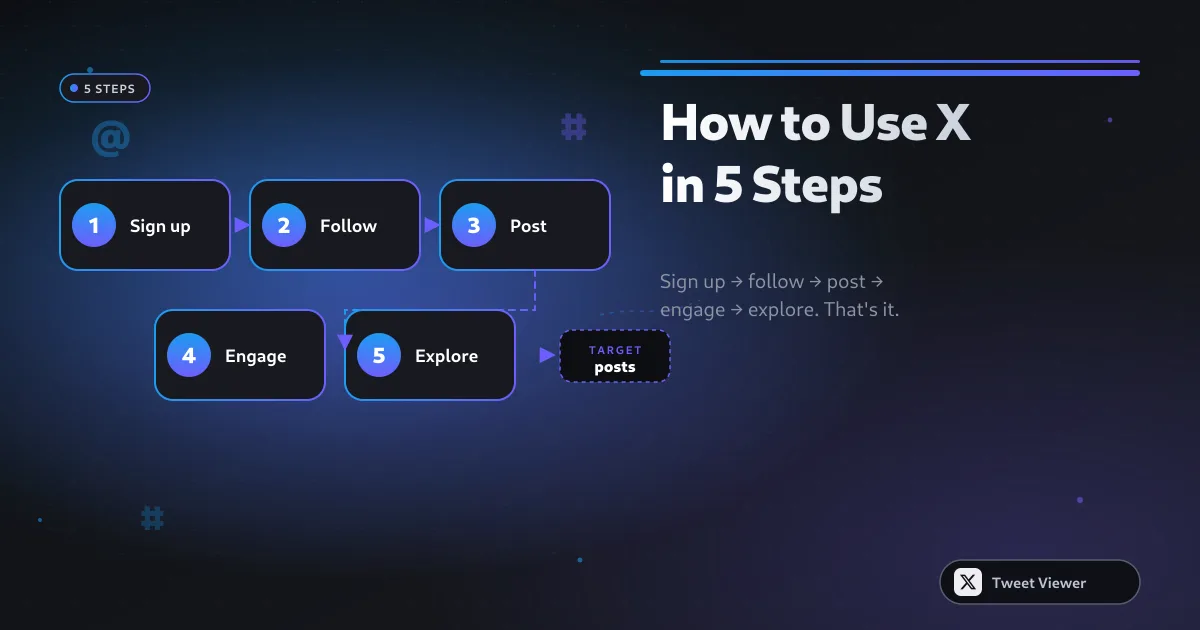
How to Use Twitter (X) in 2026: Beginner-to-Power Guide
A calm, structured guide to using X in 2026 — how to sign up, curate a good feed, post without cringing, and eventually run circles around most 2010-era Twitter accounts.
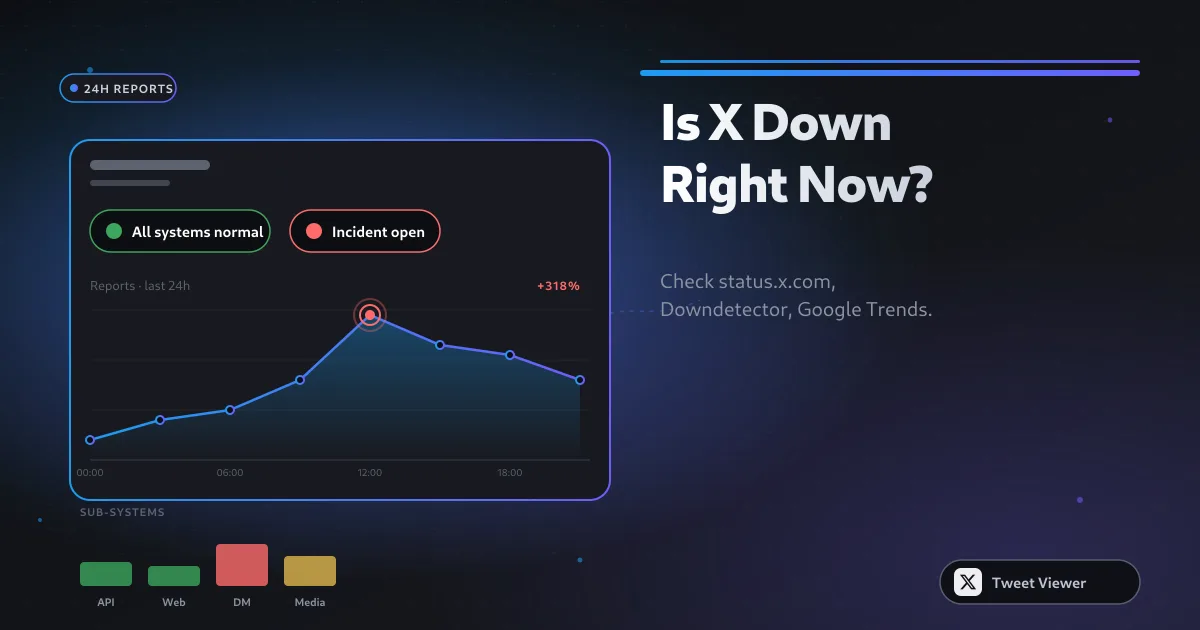
Is Twitter (X) Down? How to Check + Common Reasons
How to tell whether X is genuinely down for everyone, just down in your region, or blocked on your device — with the three status pages that will give you a straight answer in 30 seconds.
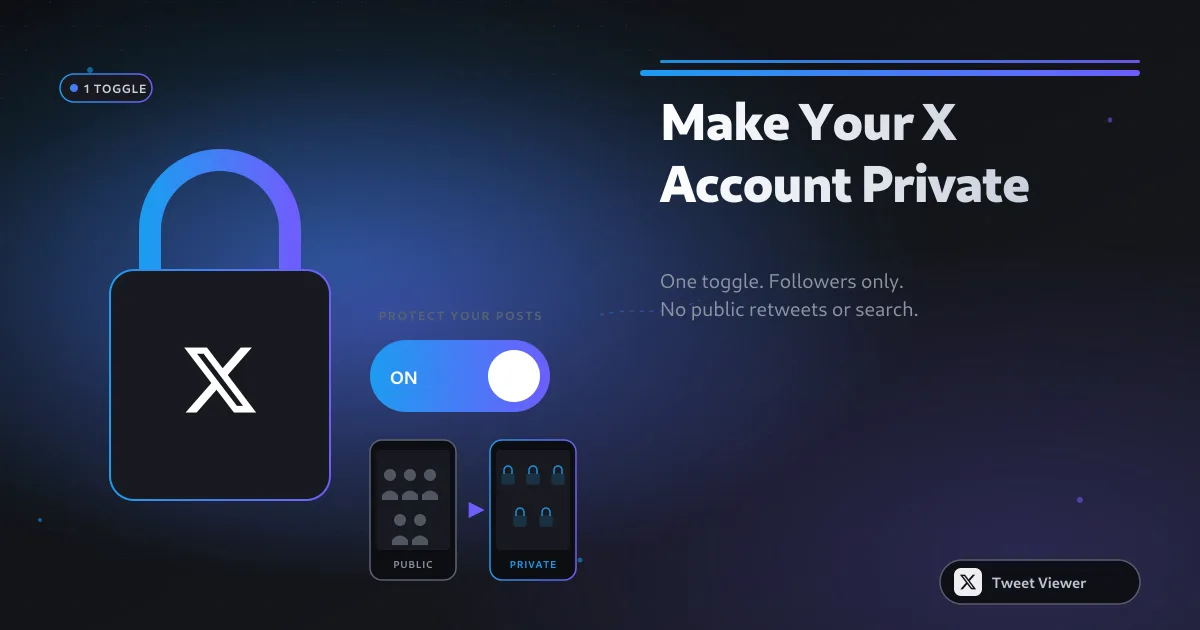
How to Make Your Twitter (X) Account Private: Step-by-Step
Making your X account private (X calls it 'Protect your posts') restricts who can see, reply to, and share your posts. Here's exactly how to flip the switch and what changes after you do.
How to Download Twitter (X) Videos: 5 Methods for 2026
Five real methods to save X (Twitter) videos — from a paste-and-save browser tool to screen recording as the last resort. Comparison table, quality trade-offs, and legal notes for 2026.